
UAE Investor Visa Process: A Complete Guide for Foreign Investors
Introduction
The United Arab Emirates (UAE) has emerged as one of the most attractive destinations for global investors over the past two decades. Its stable governance, strategic location between major global markets, modern infrastructure, and business-friendly regulations have created an environment where international investors can operate with confidence. To support long-term foreign investment, the UAE offers residency options that allow investors to live in the country while managing their businesses or assets. One of the most important among these is the UAE investor visa.This guide explains the UAE investor visa process in a clear and practical way, helping foreign investors understand each stage from eligibility to final approval.
An investor visa is designed for individuals who contribute to the UAE economy through approved forms of investment, such as owning a business or purchasing qualifying real estate. Unlike short-term visit visas, this visa provides legal residence for an extended period and allows investors to establish deeper economic and personal ties with the country. For many entrepreneurs, property buyers, and high-net-worth individuals, the investor visa acts as the foundation for long-term planning in the UAE.
This article explains the UAE investor visa process in a clear, practical, and step-by-step manner. It is written for readers who want to understand how the system works in real life—without unnecessary legal language. You will learn what an investor visa is, who can apply, what documents are required, how the application process works, and what to expect after approval. The goal is to help investors make informed decisions before starting the application. Investors planning long-term residency can also explore our UAE investment services for professional guidance. According to official information published on the UAE Government Portal, investor visas are issued under specific eligibility and investment rules.
What Is an Investor Visa in the UAE?
An investor visa in the UAE is a residence visa granted to foreign nationals based on qualifying investment activities. The investment can take different forms, but it must meet the conditions set by UAE immigration and economic authorities. Once approved, the visa allows the investor to legally reside in the UAE and manage their investment without relying on an employer-sponsored visa.
The purpose of the investor visa is not only to grant residency but also to encourage long-term economic participation. Investors who hold this visa can typically access essential services such as banking, housing, and utilities, which are necessary for operating a business or managing assets in the country. In many cases, the visa also allows the investor to sponsor close family members, subject to eligibility rules. The UAE investor visa process is structured to ensure that only genuine investors receive long-term residency benefits. The investor visa UAE framework is designed to attract genuine foreign investors into the country.
It is important to understand that an investor visa is not the same as a tourist or visit visa. Tourist visas are temporary and do not allow business ownership or long-term residence. The investor visa, on the other hand, is directly linked to economic activity and requires proof that the investment is real, active, and compliant with UAE regulations.
Types of Investor Visas Available in the UAE
The UAE offers different investor visa routes depending on the nature of the investment. Understanding these categories helps applicants choose the correct path and avoid unnecessary delays.
Business Investor Visa
The business investor visa is intended for individuals who own or hold shares in a UAE-registered company. This company can be established in a free zone or on the mainland, depending on the business model. The visa is linked to the business license, meaning the investor’s residency status is connected to the company’s legal existence. A business-based investor visa UAE allows entrepreneurs to legally reside in the country while operating their company.
This option is commonly used by entrepreneurs, startup founders, and business partners who want to operate actively in the UAE market. The investor must be able to demonstrate ownership or partnership in the company and ensure that the business remains compliant with licensing and regulatory requirements.
Real Estate Investor Visa
The real estate investor visa is designed for foreign nationals who invest in qualifying property within the UAE. The property must meet minimum value requirements and be legally registered in the investor’s name. This route is often preferred by investors who are more focused on asset ownership rather than running a business.
Property-based investor visas are particularly popular among individuals looking for residency stability while holding long-term real estate assets. However, the visa remains linked to property ownership—if the property is sold or transferred, the visa may need to be cancelled or adjusted.
Golden Visa for Investors (Overview Only)

The Golden Visa is a separate long-term residency program for investors who meet higher investment thresholds. While it falls outside the standard investor visa framework, it is often considered by high-value investors seeking extended residency of five or ten years. The Golden Visa has different eligibility criteria and benefits, which will be discussed later in this article for comparison purposes.
Who Should Consider Applying for a UAE Investor Visa?
The investor visa is suitable for a wide range of individuals, but it is especially relevant for:
- Entrepreneurs planning to establish or expand a business in the UAE
- Foreign investors purchasing qualifying real estate
- Business owners who want residency independence without employer sponsorship
- Investors seeking long-term presence in a stable and globally connected economy
At the same time, the investor visa may not be ideal for individuals who only plan to stay in the UAE for short periods or who do not intend to make a qualifying investment. Understanding your long-term goals is essential before choosing this visa category.
Basic Eligibility Criteria for UAE Investor Visa
Eligibility for an investor visa depends on the type of investment, but certain general conditions apply across all categories. Meeting the eligibility conditions is essential to successfully apply for an investor visa UAE.
Understanding the eligibility rules early helps investors follow the UAE investor visa process without unnecessary complications.Understanding the financial commitment is easier when combined with expert advice on business setup in the UAE.
Investment Requirement
The applicant must make a qualifying investment that meets the minimum criteria set by the relevant authority. This could involve business ownership, capital contribution, or property ownership, depending on the visa route chosen.
Legal and Compliance Requirements
Applicants must:
- Hold a valid passport
- Have a clean legal and immigration record
- Comply with UAE health and security requirements
Meeting these conditions does not guarantee approval, but failure to meet them can result in rejection or delays.
Why Understanding the Process Matters
Many investor visa applications are delayed not because the applicant is ineligible, but because the process is misunderstood. Common issues include selecting the wrong visa category, submitting incomplete documentation, or assuming that investment alone guarantees residency. In reality, the UAE investor visa process follows a structured sequence, and each step must be completed correctly.
By understanding the process in advance, investors can:
- Reduce approval time
- Avoid unnecessary costs
- Prevent compliance issues
- Make better long-term decisions
This is especially important for first-time investors who are unfamiliar with UAE immigration systems.
Documents Required for a UAE Investor Visa
Once an investor decides the correct visa route, the next critical step is preparing the required documents. This stage is often underestimated, yet it plays a major role in how smoothly the application moves forward. Incomplete or inconsistent paperwork is one of the most common reasons for delays in investor visa processing. Preparing the correct documents is one of the most important stages of the UAE investor visa process, as even small errors can delay approval.
While the exact document list may vary slightly depending on the emirate and the type of investment, most applications follow a similar structure. The investor visa application and residency process is regulated by the Federal Authority for Identity, Citizenship, Customs & Port Security (ICP).
Common Personal Documents
Every investor visa application starts with basic personal documentation. These documents establish identity and legal eligibility.
Typically required documents include:
- A valid passport with sufficient remaining validity
- Recent passport-size photographs that meet UAE specifications
- Completed visa application forms submitted through authorized channels
These documents are used across all visa stages, including entry permit issuance, medical processing, and residency approval.
Business-Related Documents (For Business Investors)
Applicants choosing the business investor route must provide proof that their company is legally registered and operational in the UAE. The visa is linked directly to the business, so authorities carefully review these documents.
Common business documents include:
- Trade license issued by the relevant authority
- Memorandum of Association or equivalent ownership agreement
- Shareholding or ownership proof showing the investor’s stake
It is important that the business license remains active throughout the visa process. Any suspension or cancellation can directly affect visa eligibility.
Property-Related Documents (For Real Estate Investors)
For property-based investor visas, the focus shifts from business activity to asset ownership. Authorities require clear proof that the applicant legally owns qualifying real estate. Proper documentation plays a critical role in the investor visa UAE approval process.
Usually required documents include:
- Official property title deed
- Proof that the property meets eligibility criteria
- Valuation or ownership confirmation, if requested
Since the visa remains tied to the property, investors should ensure that ownership records are accurate and updated.
Step-by-Step UAE Investor Visa Process

Understanding the sequence of steps involved in the investor visa process helps applicants avoid confusion and unnecessary delays. Although the exact order may vary slightly by emirate, the overall structure remains consistent. Understanding the UAE investor visa process step by step reduces delays and helps investors avoid common application mistakes. Understanding each stage of the investor visa UAE application helps reduce processing delays.For personalized assistance during the application, investors may contact our Dubai-based visa support team.
Step 1: Entry Permit Application
The investor visa process typically begins with an entry permit. This permit allows the applicant to enter the UAE for the purpose of completing residence visa procedures.
At this stage:
- Basic personal and investment documents are reviewed
- Initial approval is granted based on eligibility
- The applicant receives authorization to enter the UAE
For applicants already inside the country on another visa, the process may involve a status change rather than physical exit and re-entry.
Step 2: Medical Fitness Test
After entering the UAE (or completing a status change), applicants must undergo a medical fitness test at an approved medical center. This step is mandatory for all residence visas.
The medical test generally includes:
- Standard health screening
- Verification of fitness for residency
Results are usually issued within a short period, provided there are no complications. A clear medical result is required to proceed to the next stage.
Step 3: Emirates ID Registration
The Emirates ID is the official identification card for UAE residents. After completing the medical test, investors must register for their Emirates ID.
This step includes:
- Biometric data collection (fingerprints and photograph)
- Identity verification
- Linking the ID to the residence visa application
The Emirates ID is required for most daily activities in the UAE, including banking, telecom services, and housing.
Step 4: Residence Visa Issuance
The final step in the process is the issuance of the residence visa. Once all prior steps are completed successfully, immigration authorities finalize the application and grant residency status.
At this point:
- The investor becomes a legal UAE resident
- Residency validity is confirmed
- Visa details are officially recorded
With residency issued, the investor can legally live in the UAE under the investor visa category.
Cost Components of a UAE Investor Visa
One of the most common questions investors ask is about cost. Unlike some visa categories with fixed pricing, investor visa costs are made up of multiple components, rather than a single fee. The total cost of an investor visa UAE varies depending on the type of investment and visa duration.
Understanding these components helps investors plan financially and avoid surprises.
The total cost and timeline of the UAE investor visa process depend on the type of investment and the issuing authority.
Government and Administrative Fees
Government-related costs usually include:
- Entry permit charges
- Residence visa application fees
- Visa issuance or stamping fees
These fees can vary based on factors such as visa duration, emirate, and investment category.
Medical and Identity Costs
In addition to government fees, investors should account for:
- Medical fitness test charges
- Emirates ID issuance fees
These costs are standard for all residence visa applicants and are generally predictable.
Additional Investment-Related Costs
Depending on the visa route, investors may also incur:
- Business setup or license renewal costs
- Property registration or maintenance charges
- Professional or service fees, if assistance is used
While not strictly part of immigration fees, these costs are directly related to maintaining investor visa eligibility.
Processing Time: What to Expect
Understanding these expenses is an important part of the UAE investor visa process, as ongoing costs can directly affect long-term eligibility and compliance. Processing time for a UAE investor visa depends on several practical factors. There is no universal timeline that applies to all cases.
Common factors affecting processing time include:
- Completeness and accuracy of documents
- Type of investment
- Emirate-level workload
- Applicant’s immigration history
In general, the process may take several weeks, especially if approvals are required from multiple authorities.
Why Delays Happen and How to Avoid Them
Delays are often caused by avoidable issues rather than complex regulations. Some of the most common reasons include:
- Missing or outdated documents
- Incorrect visa category selection
- Delayed medical appointments
- Incomplete business or property records
Investors who prepare documents carefully and understand the process in advance can significantly reduce waiting times. Being aware of these issues helps investors navigate the UAE investor visa process more efficiently and avoid unnecessary delays.
Importance of Compliance During the Process
Compliance does not end once the visa is issued. Investor visa holders are expected to maintain compliance throughout their residency period.
This includes:
- Keeping business licenses active
- Retaining ownership of qualifying property
- Renewing visas and IDs on time
Failure to meet ongoing requirements can lead to visa cancellation or complications during renewal Maintaining compliance at every stage is a critical part of the UAE investor visa process, as even small lapses can affect residency status.
Benefits of Holding a UAE Investor Visa
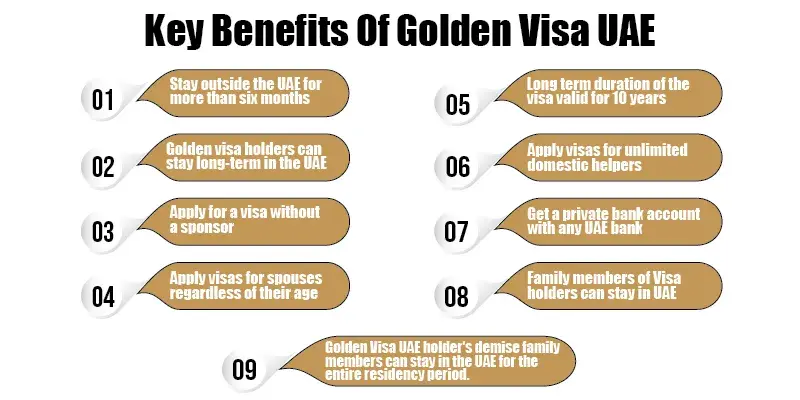
A UAE investor visa offers more than just the right to live in the country. For many investors, it becomes a gateway to long-term stability, operational freedom, and global connectivity. These benefits are a major reason why investors choose residency through investment rather than short-term visa options.
Long-Term Residency and Stability
One of the primary advantages of an investor visa is residency stability. Investors are not dependent on an employer or sponsor to remain in the UAE. As long as the qualifying investment remains valid and compliant, the investor can continue living in the country through renewals.
This stability is particularly valuable for business owners and property investors who need consistent access to the local market, banking system, and regulatory environment.
Family Sponsorship Opportunities
Investor visa holders are generally eligible to sponsor immediate family members, subject to meeting income and housing requirements. This allows investors to relocate with their families and establish a long-term personal base in the UAE.
For many investors, the ability to combine business opportunities with family life is a key deciding factor.
Access to Banking, Housing, and Services
Once residency is granted, investor visa holders can:
- Open personal and business bank accounts
- Lease or purchase residential property
- Access telecom, utilities, and government services
These practical benefits are essential for managing investments effectively and operating within the UAE’s legal and financial systems.
Business and Market Access
For business investors, residency enables direct involvement in daily operations. Investors can:
- Sign contracts
- Manage staff
- Attend regulatory or financial meetings
- Represent their company locally
This level of access is difficult to achieve with short-term or visit visas.
Risks and Common Mistakes Investors Should Avoid
While the investor visa process is structured, it is not without risks. Many problems arise from misunderstandings rather than legal complexity.
Choosing the Wrong Visa Category
One of the most common mistakes is applying under an incorrect visa category. For example, some applicants attempt to use property ownership when the property does not meet eligibility criteria, or they apply as business investors without sufficient ownership proof.
Selecting the correct visa route at the beginning saves time, money, and frustration.
Incomplete or Inaccurate Documentation
Missing documents, outdated licenses, or inconsistencies between records can delay approval or lead to rejection. Even small errors can cause applications to be placed on hold.
Careful document preparation and verification are critical to a smooth process.
Ignoring Renewal and Compliance Obligations
An investor visa is not a one-time approval. Ongoing compliance is required, including:
- Maintaining business activity or property ownership
- Renewing visas and Emirates IDs on time
- Updating records when changes occur
Failure to meet these obligations can result in cancellation or penalties.
UAE Investor Visa for Indian Nationals
Indian nationals form one of the largest investor communities in the UAE. The investor visa framework applies equally to Indian citizens, with no separate or special visa category.
Why Indian Investors Prefer the UAE
Several factors make the UAE particularly attractive to Indian investors:
- Strong economic and trade ties between India and the UAE
- Geographic proximity and frequent connectivity
- Familiar business environment and large expatriate community
These factors contribute to long-term confidence and ease of integration.
Key Considerations for Indian Applicants
Indian investors should pay close attention to:
- Clear documentation of investment funds
- Consistency between personal, financial, and business records
- Compliance with both UAE immigration rules and applicable financial regulations
Proper planning reduces delays and ensures smoother processing.
Investor Visa vs Golden Visa: Understanding the Difference
Many investors consider both the standard investor visa and the Golden Visa when planning long-term residency. While both are investment-linked, they serve different purposes.
Standard Investor Visa
- Shorter validity (renewable)
- Lower investment thresholds
- Suitable for business owners and property investors entering the UAE market
This visa is ideal for investors who want flexibility and a manageable entry point.
Golden Visa
- Long-term residency (usually 5 or 10 years)
- Higher investment requirements
- Greater residency security and long-term planning advantages
The Golden Visa is generally more suitable for high-value investors with long-term commitments.
Which One Should You Choose?
The choice depends on investment size, long-term goals, and personal circumstances. Many investors begin with a standard investor visa and later transition to a Golden Visa if eligibility criteria are met.
Overstaying, Visa Cancellation, and Status Changes

Understanding what happens when circumstances change is essential for investor visa holders.
Overstaying Risks
Remaining in the UAE after visa expiry without renewal can lead to fines and immigration complications. Investors should track expiry dates carefully and initiate renewal well in advance.
Visa Cancellation
If an investor sells a qualifying property, exits a business, or dissolves a company, the investor visa linked to that investment must be cancelled. Cancellation should be completed through official channels to avoid future issues.
Changing Visa Status
In certain cases, investors may change their visa status—for example, moving from an investor visa to an employment visa. Such changes require approval and compliance with immigration rules.
Frequently Asked Questions (FAQs)
Is a UAE investor visa permanent?
No. Investor visas are issued for a fixed period and must be renewed as long as eligibility conditions are met.
Can I work for another company on an investor visa?
An investor visa allows you to manage your own investment. Working for another employer generally requires appropriate authorization.
What happens if my business becomes inactive?
If the qualifying investment no longer meets requirements, the visa may need to be cancelled or changed.
Can I apply for an investor visa while inside the UAE?
In many cases, yes. The process may involve a status change rather than exiting the country.
Final Conclusion
The UAE investor visa is a practical and flexible residency option for individuals who want to build long-term economic and personal ties with the country. Whether through business ownership or real estate investment, this visa allows investors to live in the UAE while actively managing their assets.
However, success with an investor visa depends on understanding the process, choosing the correct category, preparing accurate documentation, and maintaining ongoing compliance. Investors who approach the process with clarity and long-term planning can benefit from the UAE’s stable environment, global connectivity, and investor-friendly framework.By following the correct UAE investor visa process, investors can secure legal residency while confidently managing their business or property in the UAE. Overall, the investor visa UAE offers a structured pathway for investors seeking residency in the UAE.